Before the Flood
Preparation saves lives. Do these things now — before a flood warning arrives.
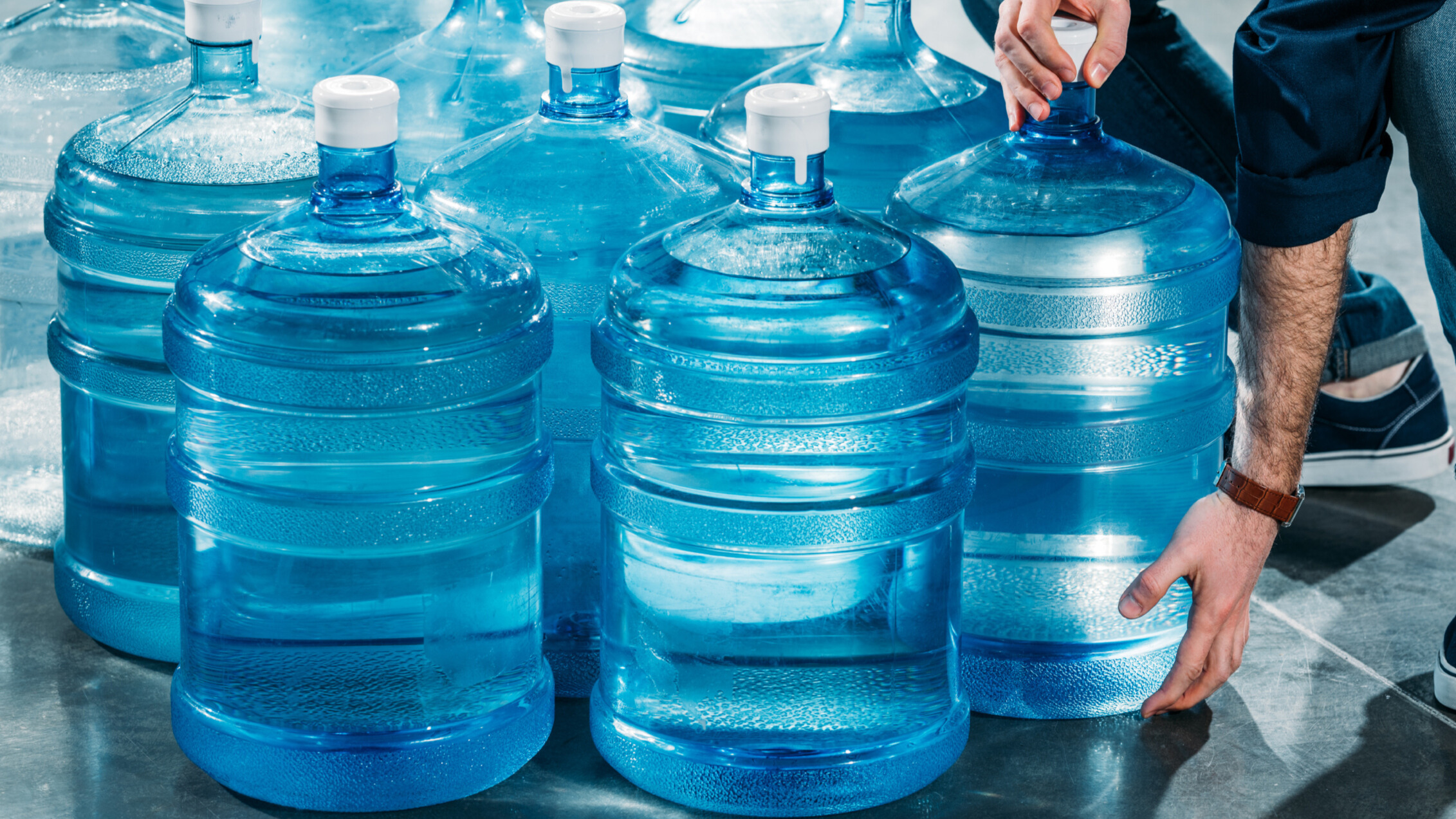
Store Clean Water
Fill clean containers with at least 3 litres of drinking water per person per day. Floodwater contaminates pipes and wells, so stored water can save your life.
Make an Emergency Kit
Pack a bag with water, food for 3 days, flashlight, first aid kit, medicine, phone charger, and cash. Keep it near the door so you can grab it and leave in seconds.
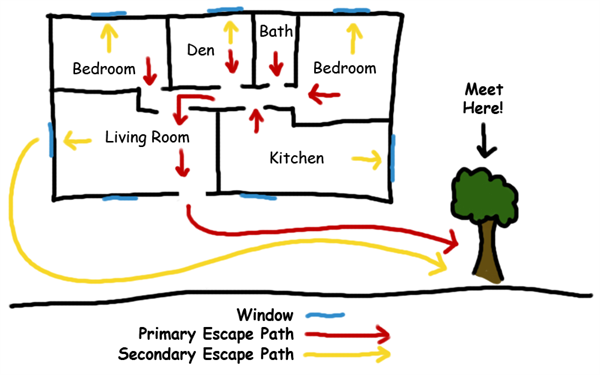
Know Your Evacuation Route
Plan at least two escape routes from your home and neighbourhood. Tell your family where to meet if you get separated. Practice the route so everyone knows it.
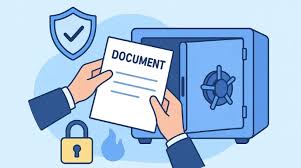
Keep Documents Safe
Place your CNIC, passport, property papers, and medical records in a waterproof bag. Keep copies in Google Drive or another cloud service too.
During the Flood
Act fast. Every minute counts when floodwaters are rising.

Move to Higher Ground
Leave immediately when authorities issue a flood warning. Go to the highest point you can reach — a rooftop, hill, or multi-storey building. Do not wait to see how bad it gets.
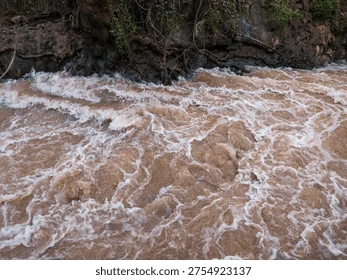
Never Walk in Moving Water
Just 15 cm of fast-moving water can knock an adult off their feet. 30 cm can sweep away a car. Use a stick to check the ground ahead if you must move through still, shallow water.

Stay Away from Bridges
Bridges can collapse within minutes when floodwater rises. The force of water against a bridge is enormous. Find an alternative route or stay put on high ground.
Listen to Emergency Alerts
Keep a battery-powered radio to receive NDMA and local government updates. Do not rely only on your phone — networks often fail during major floods.
After the Flood
The danger doesn't end when the water recedes. Stay cautious.

Wait for Official Clearance
Do not return home until authorities say it is safe. Floodwater hides broken roads, open manholes, downed power lines, and structural damage to buildings.
Avoid Floodwater — It's Toxic
Receding floodwater is mixed with sewage, chemicals, and bacteria. If you must enter, wear waterproof boots and gloves, and wash thoroughly afterwards.
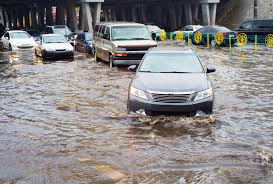
Document All Damage
Before cleaning anything, take photos and videos of every damaged room and item. This is essential for insurance claims and government relief applications.
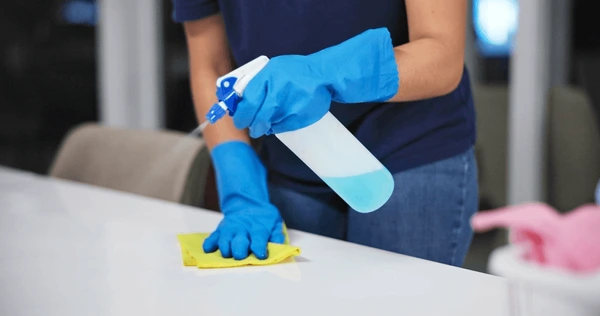
Clean and Disinfect Everything
Flood-touched surfaces carry dangerous germs. Scrub walls, floors, and furniture then disinfect with a bleach solution. Throw away any food or water that touched floodwater.